Nick Marsh didn’t start in week two when Indiana beat Howard 55-0.
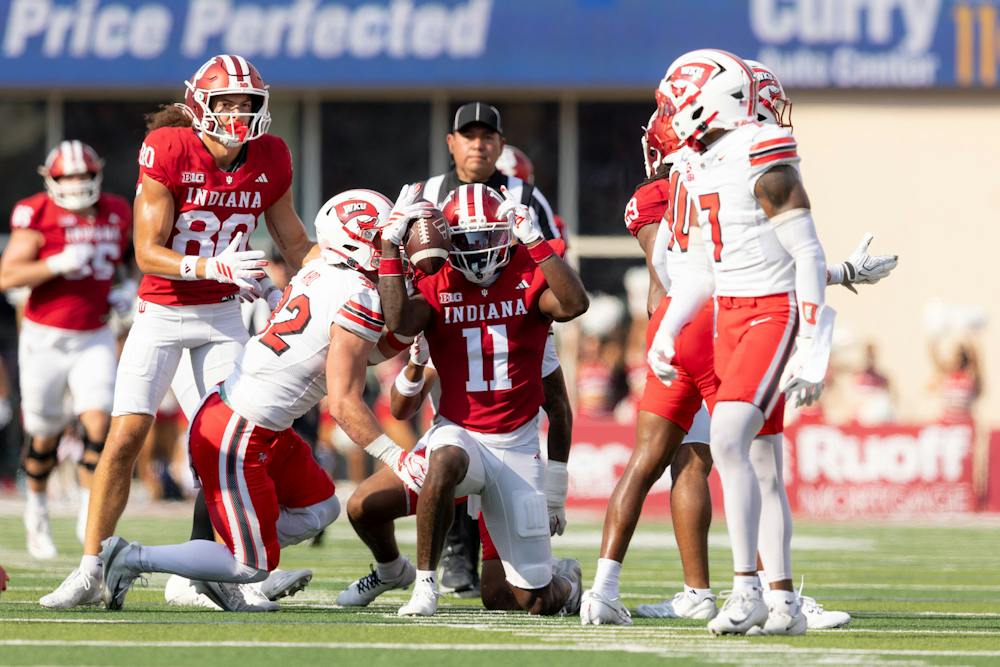
In a 38-0 victory over Western Kentucky in week three, he was much more involved.
On Saturday, Marsh caught seven passes for 81 yards, averaging a first down on each reception.
“He didn’t start last week. There was a reason, and we didn’t really decide until yesterday who would start there,” Indiana head coach Curt Cignetti said after defeating Western Kentucky.
Cignetti stressed that there are many variables that factor into a receiver’s involvement, though, and that there’s rarely one sole reason for a week of relative irrelevancy.
“At receiver, it’s funny how the opportunities come one week and then the well runs dry maybe,” Cignetti said. “There’s a lot of variables involved there, but I thought (Marsh) played really well.”
Whatever the reason for Marsh’s limited involvement in the first quarter and presence in the fourth quarter of a blowout against Howard may have been, the Michigan State transfer thrived in week three.
Marsh caught more passes against Western Kentucky than he did in both the North Texas and Howard games combined, now up to 11 receptions through three weeks.
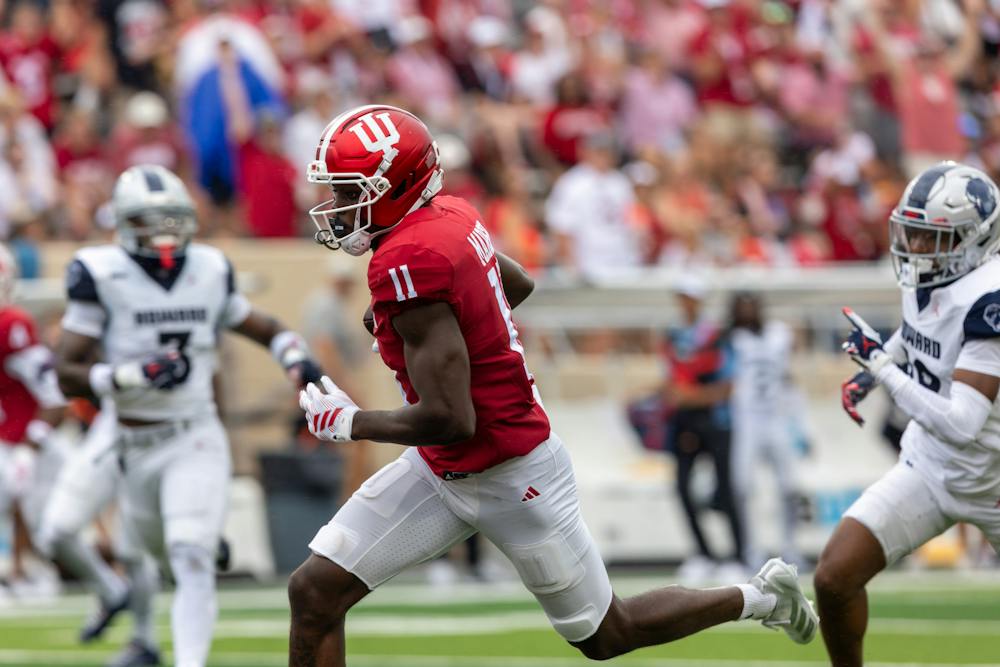
Marsh ran his routes well, reaching the right locations and avoiding egregious drops once there. Marsh also excelled after the catch, sometimes demanding the attention of multiple defenders in order to bring him down.
Marsh was awesome as a blocker as well, specifically on running back Turbo Richard’s 25-yard touchdown run in the fourth quarter, when Marsh's block created a clear runway to the end zone.
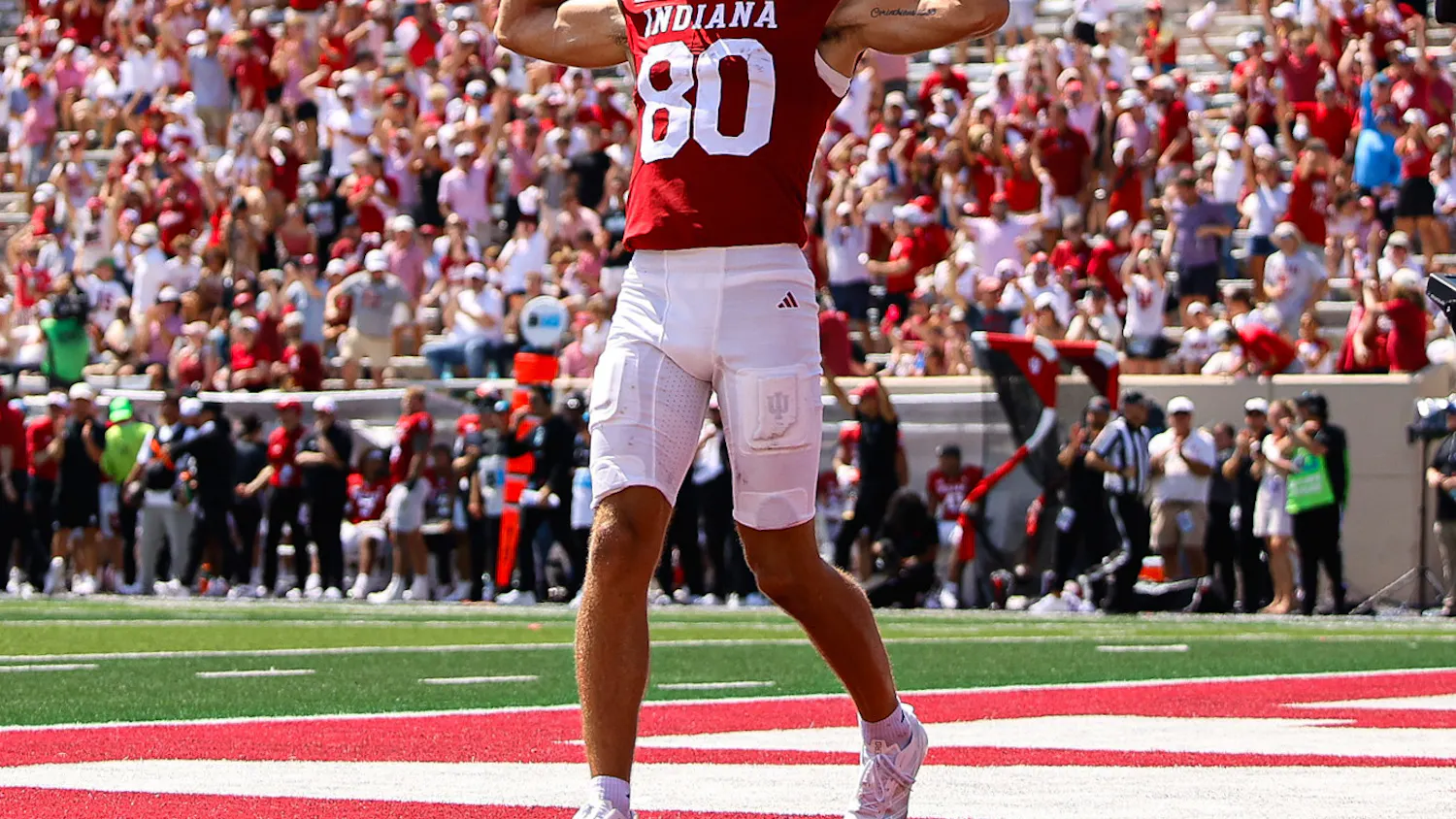
In week one, Marsh caught a 15-yd touchdown pass on the offense’s first drive of the season, which featured the first throw from quarterback Josh Hoover and first target for Marsh as Hoosiers.
All of this volatility pertaining to offensive involvement is indicative of Cignetti and the staff experimenting with different schematic looks and different personnel combinations during its relatively easy non-conference slate.
“We get criticized because we kind of play an exhibition season before we go into Big Ten play, and I can understand that,” Cignetti said, “but those exhibition seasons have been real valuable for us… we’ve needed these games to learn about ourselves, our guys and where we are and what we have to do to be the best we can be.”
Although Marsh was one of the most coveted transfers in the country, he’s still a transfer. It takes time to acclimate to a new scheme, new coaches, and new teammates, and it takes time for those components to acclimate to him.
Not every team enjoys the luxury of facing three inferior opponents to start the season, but Indiana does, and Marsh is a prime example of a player who benefits from that adjustment time.
“I think Nick (Marsh) is a guy that’s getting more and more comfortable each and every week,” Hoover said, “and it’s the same for me. We both transferred here at the same time and I think we’re both kind of finding our way, and I think Nick is going to have a really big impact. He already has.”
Marsh is working. Marsh is learning. Marsh is adjusting.
Besides his proven talent, Marsh’s acceptance of criticism from coaches is his most important quality at this point in the season. Marsh began his career as a Hoosier this past spring, and did so in gold cleats. Cignetti, unsurprisingly, didn’t appreciate that.
“I didn’t love those gold shoes he came out in today,” Cignetti said after practice on March 26, “he learned what getting your ass ripped is all about.”
Marsh wore white cleats this past Saturday, the same color as everyone else.
As a receiver, Marsh plays a position that sometimes is guilty of individualistic mindsets. Some receivers don’t like to block on a consistent basis, and some don’t like it when too much time passes before the ball is again thrown in their direction.
Marsh, though, doesn’t seem to fit either category at this time.
“Nick Marsh is a really hard worker,” wide receiver Charlie Becker said. “He wants to improve in his game. …He’s always looking to improve and I love having him on my side.”
Marsh wore white cleats. Marsh put effort into blocks for his teammates. Marsh caught a touchdown pass in week one, too, and regularly reveals flashes of his brilliance with the ball.
“I think he’s played really well in all the games,” Cignetti said, “and I think he’s coming. I really do.”
Marsh is coming.
In part thanks to a trio of early opportunities to grow against inferior non-conference competition, and in part thanks to his own willingness to work, Marsh is far more ready for conference competition than he was before.
Soon, as league play begins, a breakout performance may take place, and Marsh may blast himself back onto the map of the nation’s most productive and impressive receivers once again.