CHICAGO – If Indiana head coach Curt Cignetti caught lighting in a bottle these past two seasons, that electricity has just about entirely dissipated by the beginning of year three.
If his swift, sudden rise to greatness and undefeated national championship run was nothing more than a miraculous stroke of luck, then the magic is likely no longer in effect.
If it’s not, though, and Indiana sustains its success for an extended period of time, it’s in part because Cignetti’s process and culture instate an environment in which supplemental roster pieces become leaders and leaders become legends.
If Cignetti’s rise was simply a perfect storm of pleasant accidents, then the inescapable, almost complete exodus of James Madison transfers should be massively detrimental to Indiana’s long-term health. Cignetti brought 13 players from James Madison to Indiana, but by now, all but one have either exhausted their eligibility or heard their name in the NFL Draft. Redshirt senior defensive lineman Tyrique Tucker is the lone returner for a third year in Bloomington.
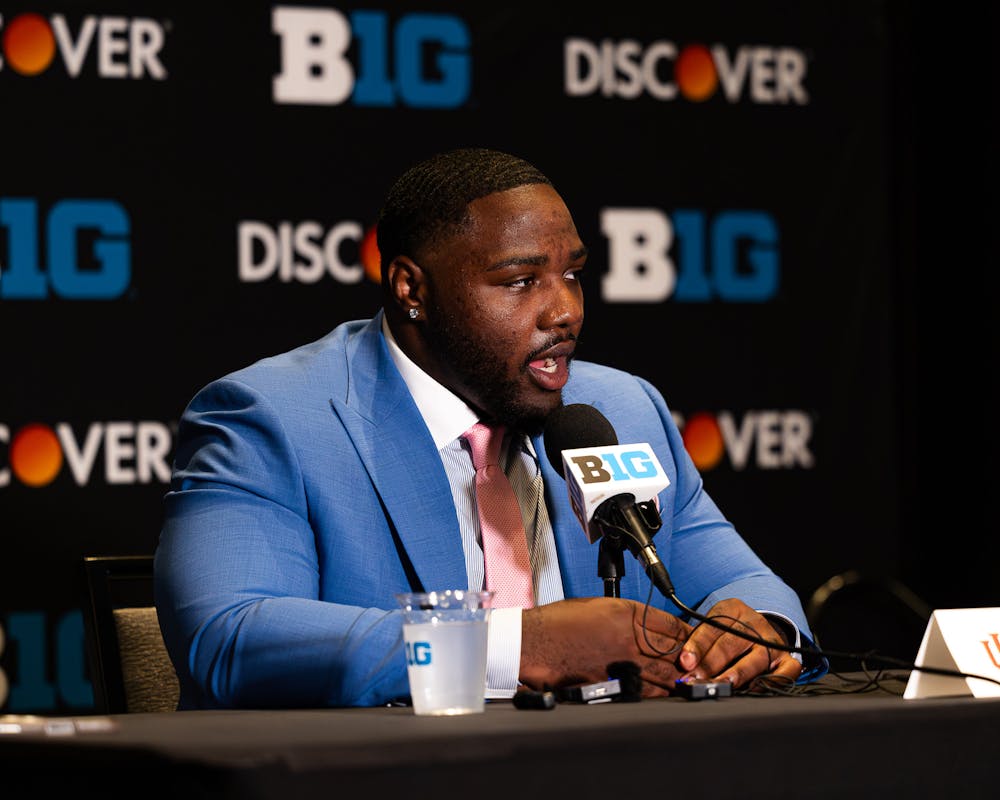
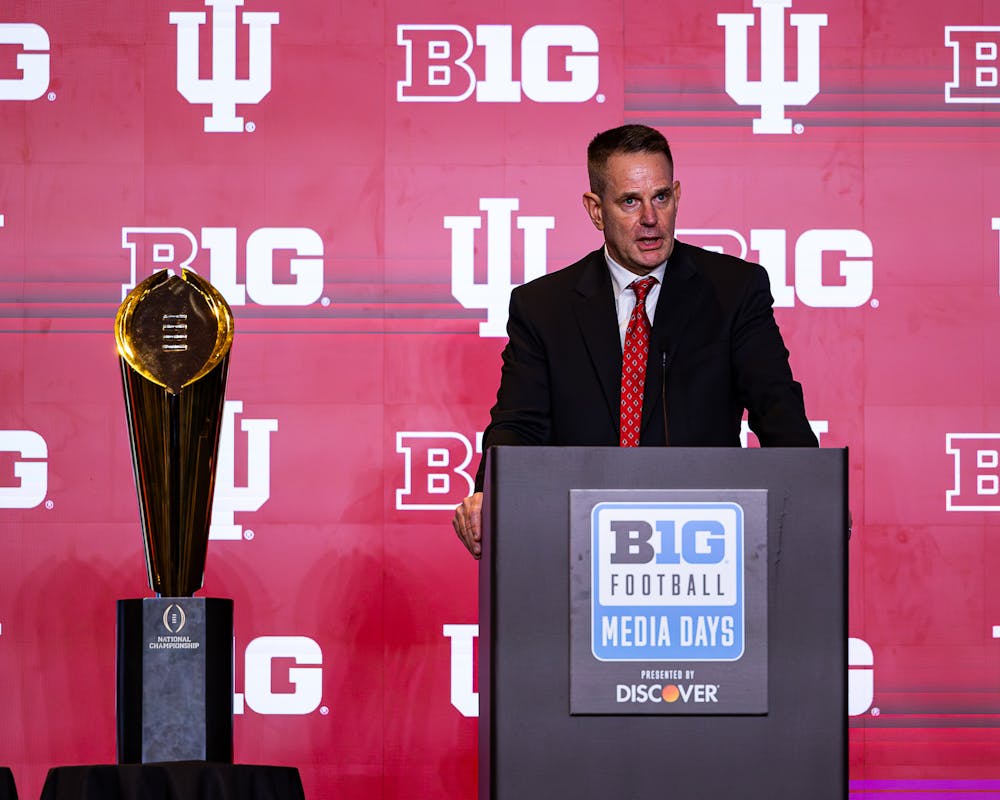
“It motivates me to know that I’m the guy who has probably been with the staff the longest,” Tucker said at Big Ten Media Days in Chicago on July 30. “We’ve got a lot of younger guys… I try to show them how to do this or how to do that a certain way and hopefully, by me showing them, they get inspired.”
Cignetti, of course, is confident that the departure of so much leadership is not fatal. As always, he invests full faith into his players, who he directly develops and mentors.
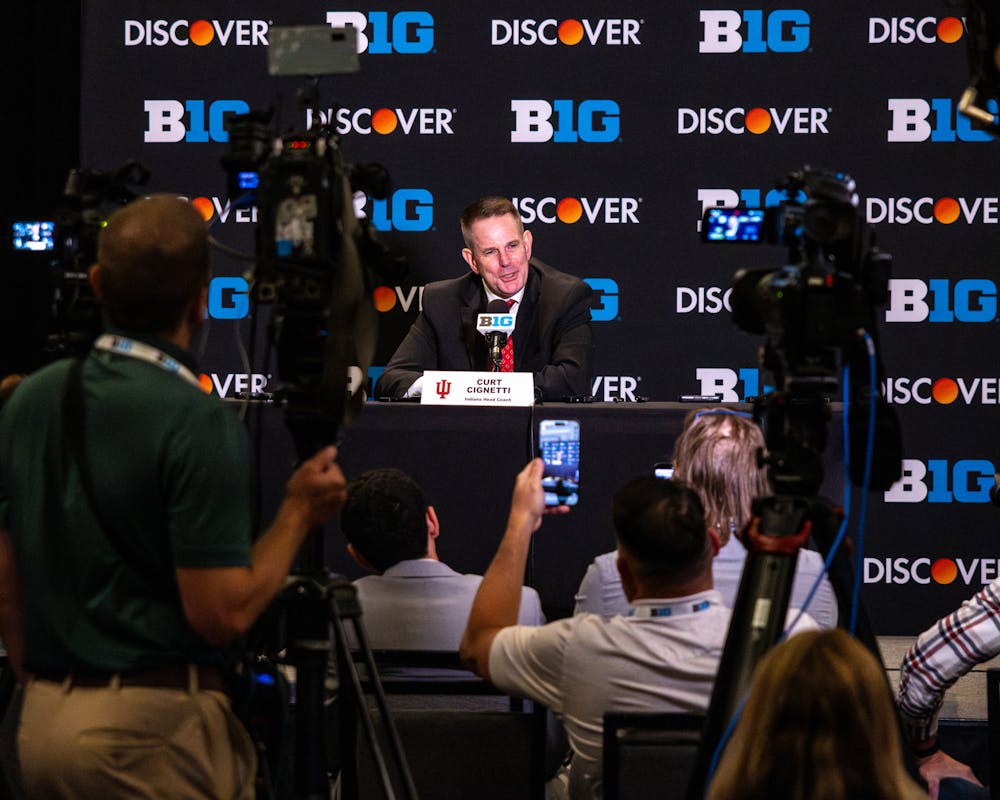
“Those 20-plus guys that stayed from Indiana that have been with us for two years,” Cignetti said at Big Ten Media Days in Chicago on July 30, “they’re the JMU guys now, and the ones showing the new guys how to do it.”
Almost all of James Madison’s player leaders, who became Indiana’s initial player leaders, are gone. Before they left, though, they left a lasting imprint on the program and set an example for the leaders of tomorrow. It’s a natural cycle. A seamless process. Just another one of Cignetti’s strategies that catalyzes his incessant success.
Cignetti sets the standard, and holds everyone in the building accountable to it. From there, once the building buys in, Cignetti steps back and looks on as his team clicks into place organically.
“I’ve never chosen captains. Ever. Those guys are the captains and everybody knows it,” Cignetti said.
Cignetti facilitates the standard, but doesn’t force a particular player hierarchy. The most experienced players, those who buy in the most or those who exhibit innate leadership characteristics, slot into leadership roles naturally.
“Everybody leads in their own way,” Cignetti said, “and words aren’t the thing. It’s actions. People look to guys that do it right that they can emulate, the young guys do, and those guys become your leaders.”
Cignetti may not directly tamper with the natural process of his James Madison leaders adopting and indoctrinating the next wave of leadership, but he does set that process up for success. That starts on the recruiting trail.
“I like to recruit good players that are smart and have strong character because you can do a lot with guys like that,” Cignetti said.
Recruiting personalities that are likely to fit into Cignetti’s culture is the first step to maintaining seamless transitions across classes. Young players are ready to replace the wave of leadership that passes before it, in part because of the teachings of graduating leaders and in part because Indiana’s roster is composed of players who, upon arrival, already exhibit the traits of someone who can fit into and later pass on the program’s cultural values.
Culture doesn’t just exist between a group of young athletes and a wise collection of coaches. At its best, culture exists when those athletes, freshmen and captains alike, uphold the program’s standards when no one in a position of power is around to see them do so.
“Obviously it starts with Coach (Cignetti) at the top, and it trickles down to the coordinators, the position coaches… but they’re not with us all day,” redshirt senior linebacker Isaiah Jones said in Chicago on July 30. “That’s where the players and the leaders step up. You see what the standard is from Coach (Cignetti), from Coach (defensive coordinator Bryant) Haines, from Coach (offensive coordinator Mike) Shanahan and then it's on the leaders to implement it and patrol it.”
Last year's leaders, such as the transfers from James Madison, led by example in upholding and redistributing the standard for the rest of the roster to follow. At the linebacker position, for instance, Jones slots into a leadership role in the wake of Aiden Fisher’s transition to the NFL.
Fisher is gone, as is Elijah Sarratt, D’Angelo Ponds and many more. Those departures are not disastrous, though, because the likes of Jones, Charlie Becker and Amare Ferrell, to name a few, are prepared to reload lost production and replace vacated leadership roles.
If the national championship run was nothing more than lighting in a bottle, a spontaneous flash dependent on a perfect recipe of players, then the magic is all but extinct.
All signs point to an extended era of success at Indiana, though, because of the elevation of a new wave of leadership and continuous incoming stream of desirable recruits.
After all, in college football, success is primarily predicated on the coaches, not the players.
An exodus of James Madison transfers can take place, but because of a thoroughly established culture and meticulous approach to recruiting, there likely won't be a dramatic drop in production or leadership.
Cignetti’s culture is effective, as evidenced by a 16-0 national championship season. Indiana’s leaders of yesteryear are gone, but their lasting legacy is twofold. First, of course, their output on the field contributed to unforgettable triumphs. Additionally, though, the next wave of leaders know and are prepared to execute what is necessary to succeed at the highest level.
Cignetti’s culture factory, therefore, is fully functional.
The James Madison transfers departed, but the culture didn’t.
Neither did the production, neither did the leadership.
As far as the eye can see at the moment, neither did the success.


Get to know the opponent: Western Kentucky