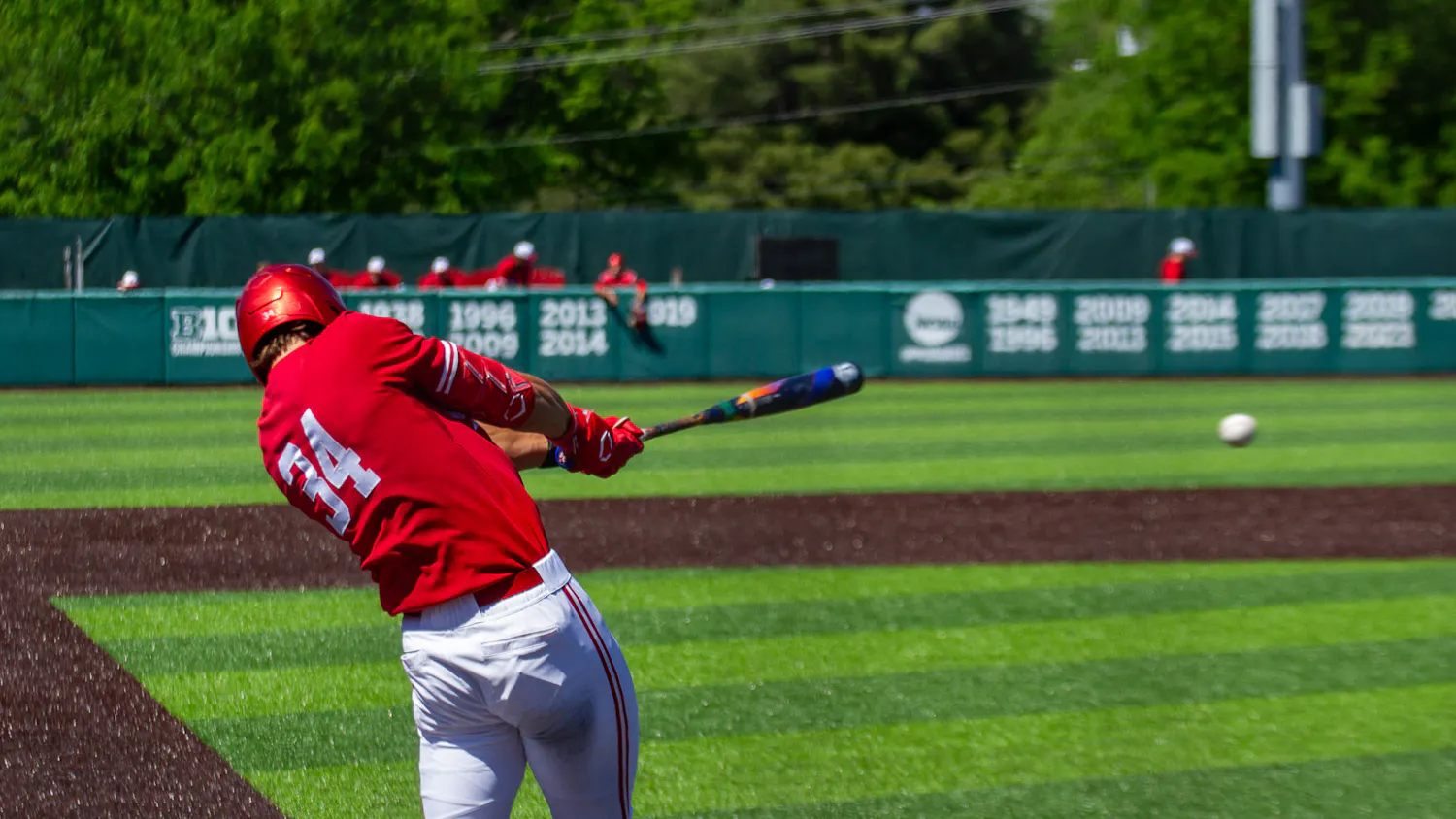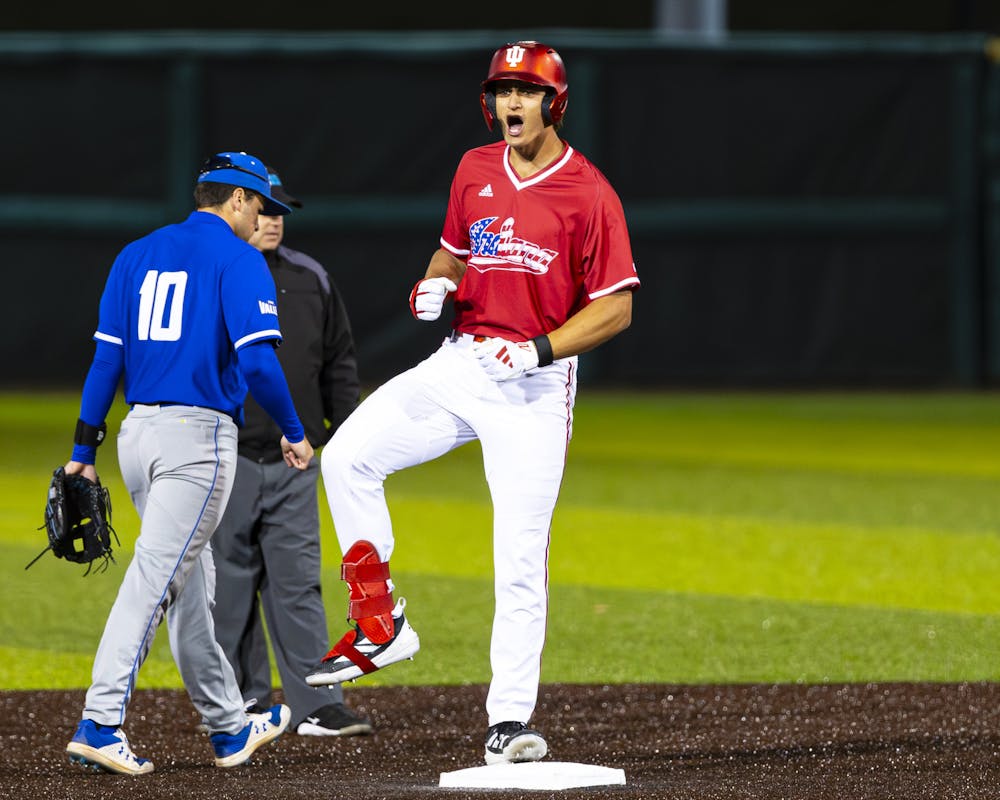
Few Indiana baseball players seemed destined to wear the cream and crimson more than Jake Hanley.
The Mason, Ohio, native had known IU head coach Jeff Mercer since he was in middle school. When he committed to play for Indiana in the fall of his sophomore year, it felt like a no-brainer.
Playing for the Hoosiers allowed Hanley to stay close to home while playing under a coach he was familiar with. It seemed like the perfect fit. In addition to his natural fit in Bloomington, Indiana had consistently been one of the Big Ten’s best programs leading up to Hanley’s arrival in the fall of 2024.
Two seasons later, Hanley is departing for the University of Georgia. While the transfer portal movement has become commonplace, Hanley’s exit is a unique case and should force the program to take a hard look in the mirror.

How could the player who seemed like the ideal fit for Indiana leave midway through his collegiate career? The answer is simple: Hanley held up his end of the bargain. Indiana did not.
The 6-foot-6, 241-pound first baseman made a seamless transition to the collegiate level. Having started all 110 games across his two seasons, Hanley racked up 114 hits, 28 home runs and has a career OPS of 1.028.
He also excelled defensively at first base, posting a career .996 fielding percentage. He took home the 2025 Big Ten Freshman of the Year award, while being named a Second Team All-Big Ten selection in his sophomore year.
Despite Hanley’s production, Indiana failed to build a winning team around him. The Hoosiers have a cumulative record of 55-55 across the past two seasons, not making the NCAA Tournament in either season. To make things worse, IU has regressed, going from 32 wins in 2025 to just 23 in 2026.
The lineup has been way too top-heavy, lacking production in the bottom of the batting order. Pitching depth has been scarce, leading to an overworked bullpen and a problem for finding enough arms for weekend series.
While there has been undeniable talent across the roster, baseball is a team sport and you need more than a handful of players to be consistent sources of production across an entire season in order to be competitive.
The biggest factor, however, in Indiana’s regression has been its atrocious late-game management. The Hoosiers lost a total of 10 leads in the seventh inning or later in 2026 alone.
Mental lapses were present throughout the entirety of last season. They began as early as game three against North Carolina, when a costly error with two outs in the ninth inning led to two unearned runs, eventually culminating in an 11th-inning defeat.
The mental lapses stretched all the way to the penultimate series of the season against Purdue, where the bullpen blew a four-run ninth inning lead in yet another painful loss.
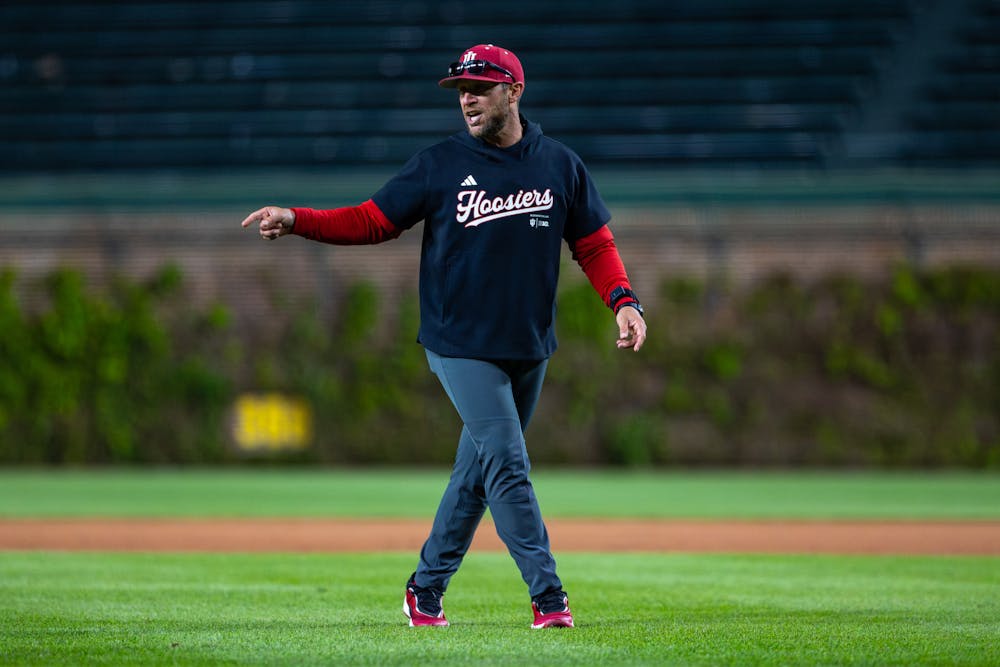
For most programs, a season like that would lead to significant change in many aspects, but that doesn’t appear to be the case for Indiana. They are running it back with the same core leadership in 2027.
Now, there is not one person solely responsible for this mess. Players, coaches and the athletic department all share responsibility for the current state of this team. But, as we all know, accountability has to start at the top.
The Hoosiers were lucky not to lose Hanley after a disappointing 2025, when they finished a mediocre 32-24 and suffered a swift Big Ten Tournament exit. However, after the disastrous 2026 campaign, where they missed the conference tournament entirely, even the most optimistic people within the program had to see this coming.
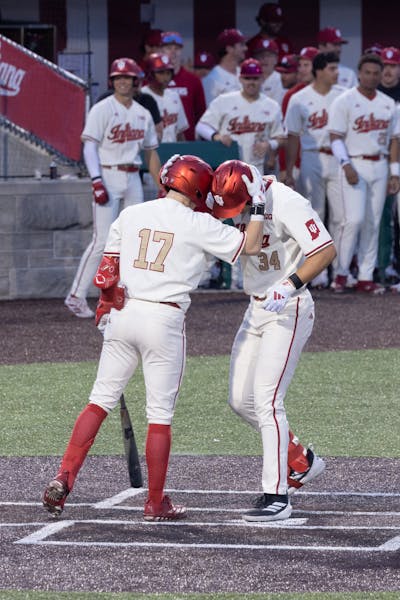
Not only did Hanley depart, the Hoosiers lost veteran shortstop Cooper Malamazian to Florida State. Caleb Koskie, who broke out in 2026 as one of the Big Ten’s best contact hitters, has entered the portal as well.
These additional exits show that Hanley’s departure is not an isolated case, and it is a message to the program that the past two seasons have simply not been good enough.
Hanley will join a Bulldog team coming off a 2026 SEC Championship. While he may not be able to sustain quite the offensive numbers he put up in Bloomington, he will be a significant factor in the middle of what should, once again, be one of the premier lineups in college baseball.
It is simply inexcusable how Indiana, with the pedigree and vast resources they have, managed to waste an amazing talent in Hanley. Left-handed power bats do not grow on trees, and when they do, they almost never play collegiately in the Big Ten.
With Hanley now gone, time is quickly running out before Indiana permanently becomes an afterthought in a conference that they championed as recently as eight seasons ago.