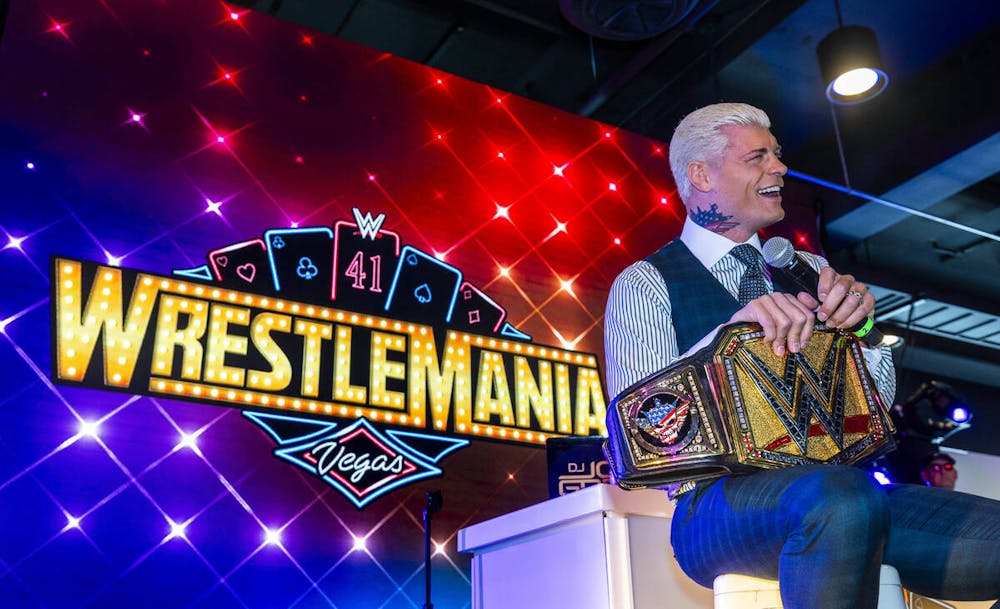
With sports entertainment’s biggest event of the year, “Wrestlemania,” just weeks away, the excitement should be electric — but instead, it feels routine. WWE’s storytelling has grown predictable, leaving fans hoping the company can rediscover the creativity that once defined its biggest moments.
Thirty years ago, you’d race home from work to see what Stone Cold Steve Austin would do to Vince McMahon on an episode of “Raw.” Wait, A 30-year-old man spraying a dictator/chairman with beer and hitting him with a wrestling move on national television is entertaining? Totally — it was unexpected, rebellious, and seemed real. Today's WWE needs more of that unpredictability and artistry instead of cookie-cutter storylines and big business shine.
Now clearly times have changed, and things you see on a weekly show or premium live event, or PLE, today are far more sanitized than what was portrayed back in the late 1990s and early 2000s. For those who don’t know, WWE has “eras,” which are time periods where fans follow storylines and superstars, as they’re called, become either your favorite or your worst enemy, depending on what the creative team has in mind.
One reason for this creative exhaustion? Splitting “WrestleMania” into two nights. Born out of COVID-19 necessity at “WrestleMania 36”, WWE promised it would be better for fans — more matches, spread-out spectacle. Reality check: One night always gets the marquee buildup, while the second night fades into a distant afterthought. At “Wrestlemania 36”, night one delivered the cinematic masterpiece of Undertaker (who was brought back as the “American Badass” persona) vs. AJ Styles in the Boneyard Match — incredible chemistry despite no fans — but night two’s supposed main event of Brock Lesnar vs. Drew McIntyre ended in four minutes. Yes, four minutes for the end all, be all match of the show was shorter than waiting in line for a coffee at Starbucks.
Fast-forward to “Wrestlemania 41” last year, where night one exploded with CM Punk, Roman Reigns and Seth Rollins in a match packed with storytelling, action, drama and emotion. Meanwhile on night two, a heel John Cena — a total character assassination against everything fans loved about him — hitting Cody Rhodes with the title belt to win, and that was the night. One-night WWE Creative is hungover from the night before, throwing everything they have into one night. Creative pours everything into one epic evening; the other gets leftovers, diluting the whole weekend’s urgency.
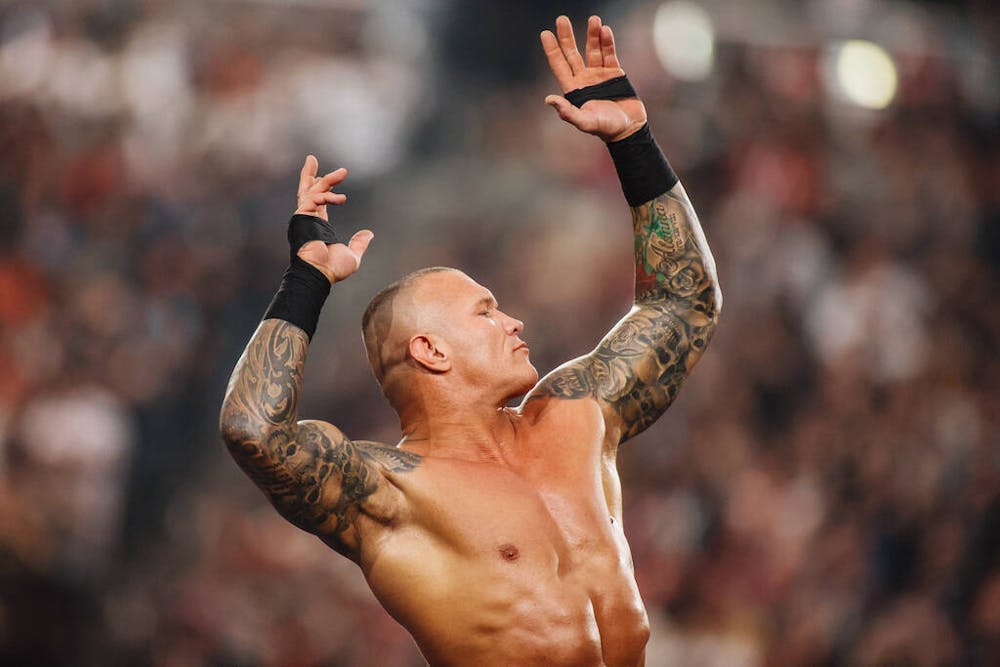
That kind of energy is exactly what has been missing lately. Look at “Wrestlemania 42’s” card so far: All but one match — Drew McIntyre vs Jacob Fatu in an unsanctioned street fight — are standard rules, no-gimmicks bouts where nothing truly wild can happen. At this moment, and this could change from now until the event, but by rule, if Randy Orton smashes Cody Rhodes with a steel chair, the bell rings, Cody wins by disqualification and fans who shelled out thousands for ringside seats just watched their money vanish on a cheap finish. These vanilla stipulations kill chaos or high stakes, turning potential dream matches into predictable snoozefests built on name value alone, not story.
WWE has been here before, and that’s what makes this so frustrating. When WCW launched in the late 1990s and siphoned viewers, WWE's ratings tanked — until the Attitude Era exploded. That shift embraced edginess: blood, anti-authority rebels such as Stone Cold, DX’s crude antics and storylines blending reality with violence. It crushed WCW and saved pro wrestling.
Instead of layered feuds, too many matches lack context Jade Cargill vs. Rhea Ripley should be a powerhouse clash but has shockingly little story. Brock Lesnar vs. Oba Femi feels like a squash after Oba’s weekly dominance on “Raw,” especially since Brock hasn’t had a quality ‘Mania match since 2015. The Randy Orton-Cody Rhodes “decade-in-the-making” feud rings hollow without promos or near-misses under rigid rules. Roman Reigns vs. CM Punk risks interference ruining it, like so many lately.
WWE used to deliver the opposite: earned moments through tension and shocks. Mick Foley crashing through Hell in a Cell's roof redefined hardcore. The Rock's vicious promos became legend. Triple H's Pedigree on best friend Shawn Michaels left jaws on the floor.
If WWE doesn't rediscover that raw magic — turning TV into must-see and 'Mania into earthquakes — it risks irrelevance. Fans won't stick for half-baked builds when AEW and indies beckon. With "WrestleMania 42" looming, time's up for excuses.


